U.S. Driving License Changes 2026: What to Expect
New federal and state rules affecting U.S. driving licenses take effect on February 27, 2026. These changes focus on identity verification, digital credentials, and updated minimum security standards.
This guide explains the most important updates, what drivers must do, and how to prepare commonly required documents.
Key points of the U.S. Driving License Changes 2026
The rules vary by state, but several common elements appear across most jurisdictions. Read these points carefully to know which apply to you.
- Stronger identity and residency proof for new or renewed licenses.
- Optional digital driver licenses (DDL) accepted where state law permits.
- Updated REAL ID enforcement guidance in some states.
- New security features on physical cards to reduce fraud.
- Uniform minimum standards for issuing provisional or restricted licenses.
Why these changes matter
Improvements aim to reduce identity theft and align state IDs with modern verification methods. Some travelers will need compliant IDs for federal facilities and air travel.
Expect faster adoption of mobile licenses and more consistent requirements for name changes, proof of address, and citizenship or lawful presence documentation.
What to prepare before February 27, 2026
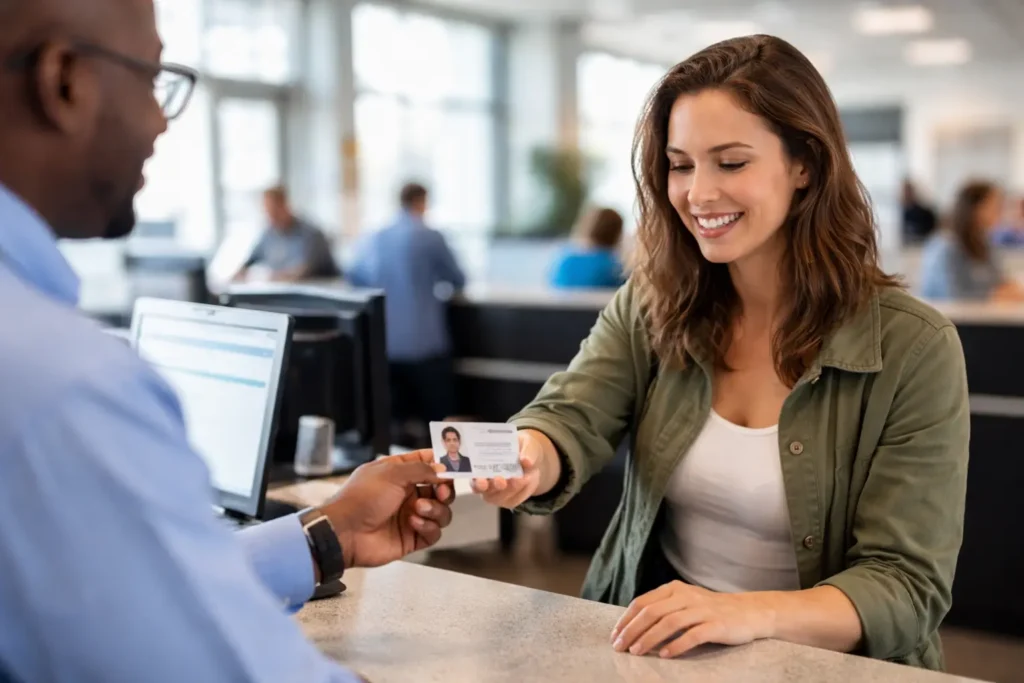
Preparation reduces delays at motor vehicle agencies. If you expect to apply for, renew, or replace a license soon, gather documents and confirm your state’s exact rules.
Standard documents commonly required
- Proof of identity: valid passport, birth certificate, or certified court documents.
- Proof of Social Security Number: Social Security card or SSA statement.
- Proof of residency: recent utility bills, lease agreement, or bank statements.
- Proof of lawful presence (if not a U.S. citizen): immigration documents or work authorization.
Check your state DMV website for the officially accepted combinations, as some states now require original documents rather than copies.
Digital driver licenses and your phone
Several states will support optional digital driver licenses by the February 27 effective date. A DDL is an encrypted mobile credential stored in a secure app.
Digital licenses are convenient but optional. If you choose a DDL, keep your physical ID as a backup until your state explicitly accepts mobile-only presentation for all situations.
When a digital license may be accepted
- Traffic stops where the officer accepts electronic presentation.
- Access to some private and public services that accept DDLs.
- Air travel within the U.S. only when TSA accepts the state DDL.
State differences and enforcement
Not all states adopt the same timeline or rules. Some states will add the new security features immediately, while others phase them in with renewals.
Enforcement also varies: a state may accept older licenses for a transition period, while another may require renewals sooner. Always confirm with your local DMV.
How to verify your state’s rules
- Visit your state DMV or Department of Transportation website.
- Look for notices titled with February 27, 2026 or “2026 license changes”.
- Call the DMV customer service line for details about document requirements and fees.
Some states will allow you to reserve an appointment online for faster service during the February 27 rollout. Booking early can cut wait times significantly.
Fees, timelines, and special cases
Expect modest fees for replacements, renewals, or upgrades to REAL ID or digital options. Processing times may increase right after the new rules take effect.
If you have an expiring license during the transition, renew early to avoid a rush. Those with name or gender-marker changes may face extra verification steps.
Examples of special cases
- Out-of-state students: Check whether your college state offers a student exception or temporary issuance process.
- New residents: You may need to visit in person and present multiple original documents to get a compliant license.
- Senior or medical exemptions: Some states have different renewal frequencies or medical reporting rules; verify those before applying.
Real-world example: One commuter’s steps
Case study: Maria, a commuter in California, had a license expiring March 2026. She booked a DMV appointment in January, gathered her birth certificate, Social Security card, and two proof-of-residence documents, and chose the REAL ID upgrade.
Her process took one visit and a small fee. She received a temporary paper document and the new card by mail within two weeks, avoiding delays after the February 27 changes.
Action checklist before February 27, 2026
- Check your state’s DMV website for specific February 27 updates.
- Gather required original documents now; photocopies may not be accepted.
- Book DMV or license center appointments early to avoid long waits.
- Decide if you want REAL ID or a digital driver license and confirm fees.
- Keep your physical ID until digital-only use is fully supported in your area.
Following this plan will help you navigate the U.S. driving license changes 2026 with minimal disruption. When in doubt, contact your state’s motor vehicle agency for the latest, authoritative guidance.