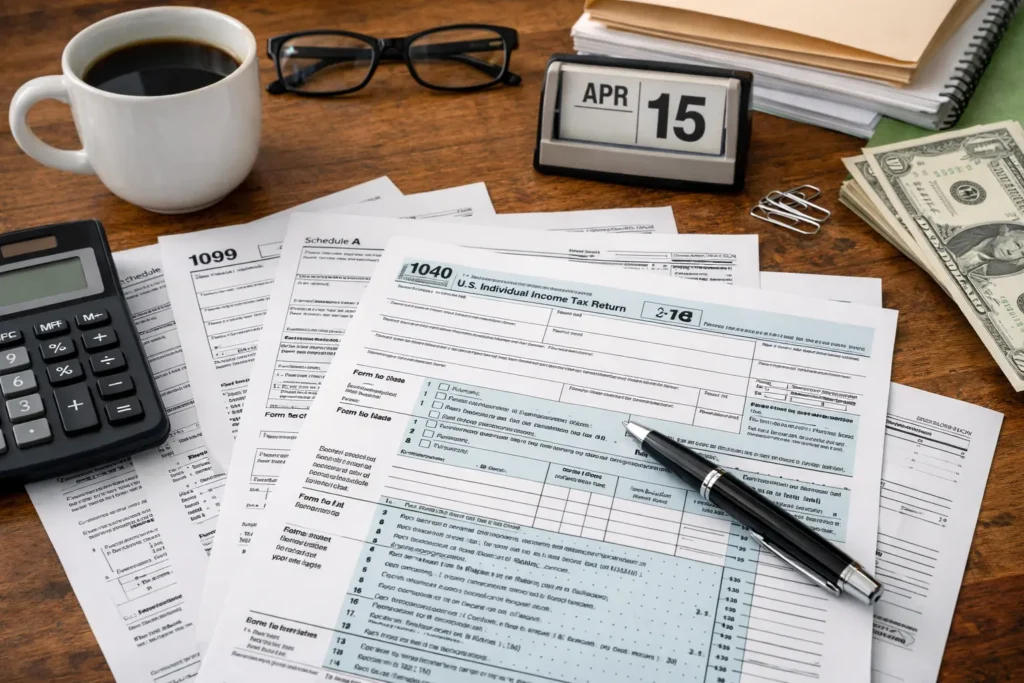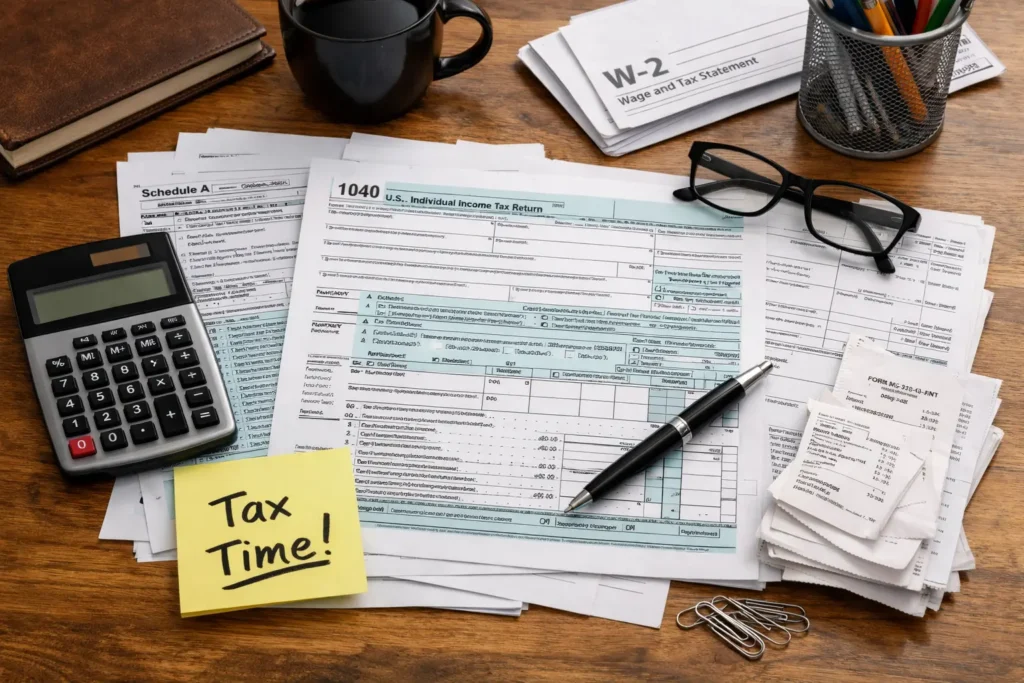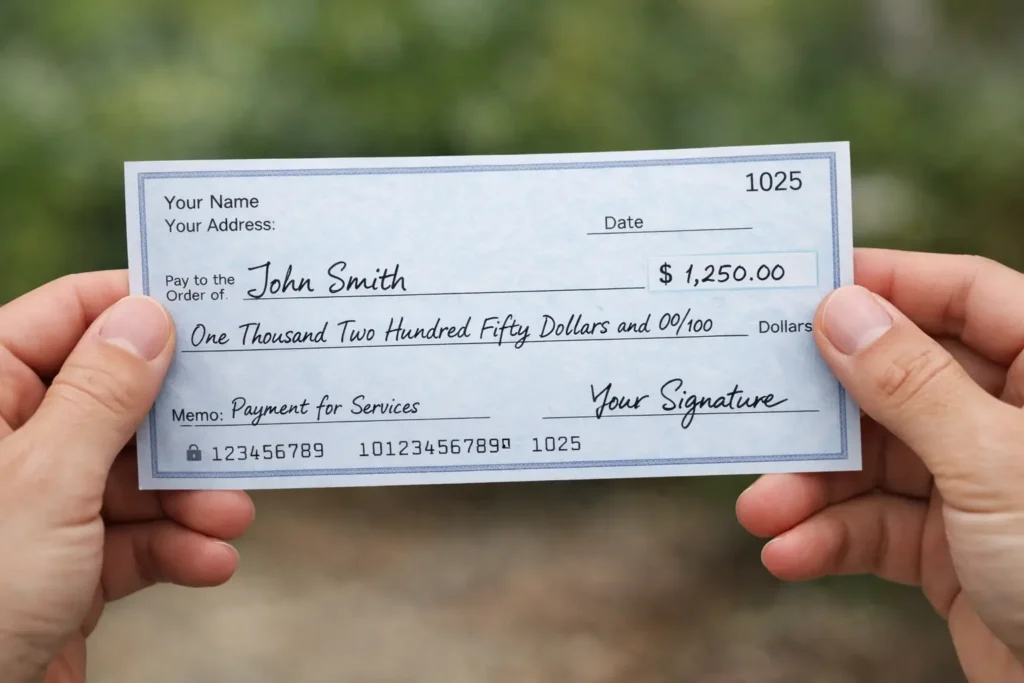
The IRS has confirmed a February 2026 direct deposit of $2,000 tied to a new tariff rebate plan. This article explains what that payment means, who is eligible, how the rebate is calculated, and what you should do to prepare. The tone is practical and instructional so you can act quickly and confidently.
What the February 2026 $2,000 direct deposit is
The February 2026 $2,000 direct deposit is a one-time payment issued by the federal government under a tariff rebate program. The IRS is handling distribution via direct deposit and mailed checks for people without direct deposit on file.
The plan is designed to reimburse part of the increased costs consumers faced after recent tariff changes. It is not a recurring payment; it is a single rebate tied to the specific policy change.
Who qualifies for the tariff rebate payment
Eligibility rules are set by the legislation and enforced by the IRS. Most adult U.S. citizens and resident aliens who meet income limits and filing requirements should check eligibility.
- Eligible individuals include taxpayers with valid Social Security numbers who filed a 2025 tax return or had IRS records in 2025.
- Income thresholds may phase out payments for higher earners. Check IRS guidance for exact limits.
- Dependents and nonresident aliens are generally excluded unless specific rules apply.
Examples of common eligibility scenarios
Here are simplified scenarios to help clarify:
- Single filer with AGI below the phase-out limit: Likely eligible for full $2,000.
- Married filing jointly with AGI above the threshold: May receive a reduced amount or no payment.
- No recent tax return but Social Security benefits only: The IRS may use SSA records to issue a rebate to eligible beneficiaries.
How the tariff rebate plan really works
The tariff rebate plan reimburses consumers to offset higher costs from tariffs. The IRS receives funding and instructions from Congress and then distributes funds according to program rules.
Key operational points:
- IRS will use tax records and direct deposit information on file to send payments.
- Those without direct deposit on file will receive paper checks by mail.
- Payments are generally not taxable income, but confirm with IRS guidance for your situation.
How the rebate amount is determined
The $2,000 figure is the headline amount for eligible individuals at or below the base threshold. Reduced payments apply if your income exceeds program limits.
Calculations factor in household size and adjusted gross income (AGI). The IRS will publish a clear payment schedule and phase-out brackets before disbursements start.
Timeline: When to expect the February 2026 $2,000 direct deposit
The IRS has scheduled the initial wave of direct deposits for February 2026. Exact dates may vary by bank and processing batch.
- Direct deposits: mid to late February 2026.
- Paper checks: follow-up mailings in late February and March.
- IRS status page updates: check the IRS website for live status once payments begin.
How to check your payment status
Use these practical steps to confirm whether you will get the payment and when:
- Visit the IRS website or the designated payment portal the IRS announces.
- Have your Social Security number, filing status, and ZIP code ready.
- Check your bank account around the announced deposit date for a credit labeled by the IRS.
What to do if you don’t receive a deposit
If you expect a payment but don’t get it, follow these steps:
- Confirm your direct deposit details are up to date with the IRS or on your 2025 return.
- Wait two weeks for mail delivery; paper checks can take longer.
- Contact the IRS only after checking the official status tool and waiting the posted processing time.
The IRS often uses existing tax records and Social Security Administration data to distribute one-time federal payments. That means you may receive a rebate even if you did not file a recent return, as long as your information is already in IRS systems.
Tax implications and reporting
Most one-time rebate payments like this are considered non-taxable by previous precedent, but final tax treatment depends on the statute and IRS guidance.
Keep documentation of the payment and any IRS notices. If the IRS changes guidance, it will publish updates, and you should consult a tax professional for personal advice.
Small real-world example
Case study: Maria, a single filer, age 42, AGI $38,000. She filed a 2025 tax return and has direct deposit on file. In February 2026 she sees a $2,000 deposit in her checking account with a clearing description referencing the IRS tariff rebate.
Steps Maria took:
- Confirmed her bank account and direct deposit info were current before the deadline.
- Monitored the IRS payment portal after the announcement.
- Saved the IRS notice and bank statement for her records to show the payment is non-taxable under current guidance.
Practical tips to prepare now
Follow these steps to avoid delays and confirm eligibility:
- Verify your current direct deposit information on your 2025 tax return.
- Check the IRS website regularly for updates and the official status tool link.
- Keep records: save any IRS notices, bank statements showing the deposit, and your 2025 tax return.
Final takeaway
The February 2026 $2,000 direct deposit under the new tariff rebate plan is a one-time federal payment intended to offset tariff-related price increases. The IRS is managing distribution and will provide status tools and detailed guidance.
Act now to confirm your direct deposit details, monitor official IRS channels, and keep documentation to ensure a smooth experience when the payment arrives.