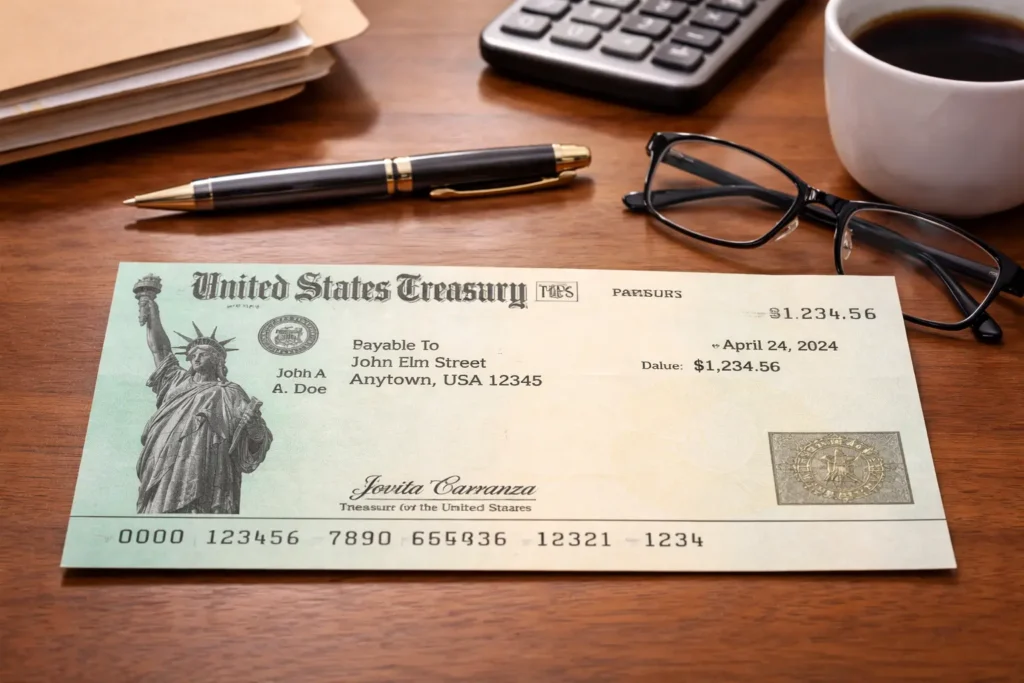
Overview of IRS Confirms $2000 February 2026 Deposits
The IRS has confirmed targeted $2000 deposits scheduled for February 2026. These deposits follow eligibility rules and an established timeline from the agency.
This article explains who qualifies, when to expect the money, how it will arrive, and what to do if you do not receive your deposit.
Who Qualifies for the IRS $2000 February 2026 Deposits
Eligibility typically depends on tax filings, income thresholds, and program-specific qualifications set by Congress or IRS guidance. Most frequently, the IRS bases payments on the latest filed tax return or direct deposit information on file.
Key eligibility points:
- Filed 2024 or 2025 federal tax return or provided information through an IRS portal.
- Income within published thresholds for the payment program.
- No outstanding disqualifying conditions such as ineligibility due to noncitizen status in certain programs.
IRS Confirms $2000 February 2026 Deposits: Important Criteria
The IRS will release guidance clarifying criteria before payments go out. Watch for official IRS notices for the final rules.
Common verification steps include matching Social Security numbers, adjusted gross income (AGI) limits, and dependency status.
Deposit Schedule and Timing
The announced deposit window is February 2026. The IRS will typically distribute payments in waves over days or weeks to manage processing.
What to expect:
- Direct deposits arrive first, often within the first one to three weeks of the payment window.
- Paper checks and prepaid debit cards are mailed after direct deposits and may take several additional weeks.
- The IRS online portal will update with payment status as batches are processed.
IRS Confirms $2000 February 2026 Deposits: Banking and Mail Timing
If you have direct deposit on file with the IRS, expect faster delivery. Banks typically post the deposit the same or next business day after the IRS transmits funds.
If you receive a paper check, add mail transit time and possible local postal delays to estimate receipt.
How Payments Are Sent
The IRS uses methods it already has on file: direct deposit to a bank account, paper check mailed to the last known address, or a prepaid debit card in some programs.
Verify your preferred payment method by ensuring your bank and address details are current on your most recent return or through the IRS portal if available.
What To Do If You Don’t Receive the $2000 Deposit
First, confirm your eligibility and the IRS schedule. If you believe you qualify but did not get a deposit, follow these steps:
- Check the IRS online tool for payment status updates.
- Confirm your bank account data and mailing address on your last filed return or IRS account.
- Wait the full processing window—direct deposits first, then mailed checks.
- Contact the IRS only after the full payment period plus mailing time has passed.
If a payment was returned or sent to an old account, the IRS often issues a reissued check after processing the return information.
Common Questions and Practical Tips
Tip: If you expect a deposit and bank notifications show nothing, call your bank with the date range the IRS provided. Banks can confirm pending ACH items.
Tip: Keep documentation: tax returns, IRS notices, and any correspondence. This speeds dispute resolution if a payment is missing.
IRS Confirms $2000 February 2026 Deposits: What to Watch For
Watch for official IRS emails, mailers, and news releases for exact dates and any last-minute changes. Beware of scams claiming to expedite your deposit for a fee.
- The IRS will never call demanding payment to release your deposit.
- Official communications come from irs.gov addresses and mailed letters with clear contact instructions.
Small Case Study: How the Deposit Worked in Practice
Case study: Maria, a single filer with direct deposit on file, qualified based on her 2024 return. When the IRS issued the first payment wave in February 2026, the funds posted to her bank account within two business days.
Her neighbor Jake, who had not updated his address after moving, received a mailed check that took three weeks to arrive. Jake contacted the IRS and had the check reissued after confirming his address.
Final Checklist Before February 2026
- Confirm you filed the latest required tax return.
- Verify your bank and mailing information on file with the IRS.
- Monitor the IRS payment status tool after announcements.
- Keep documentation and be cautious of scams.
These deposits follow the IRS’s established distribution processes. Staying informed and prepared will reduce delays and help you confirm receipt quickly. If you still have questions after the IRS posts final guidance, contact the IRS or a qualified tax professional for personalized help.