What the IRS announced about 2000 payments in February 2026
The IRS confirmed a series of one-time payments of 2000 delivered to eligible taxpayers beginning in February 2026. This article explains who qualifies, when payments will arrive, and what actions you may need to take.
Information below reflects the IRS announcement and common administrative procedures. Follow the practical guidance to check your status and avoid delays.
Who is eligible for 2000 payments February 2026
Eligibility is based on tax filing status, income limits, and prior-year tax returns or information returns the IRS has on file. Generally, eligible groups include low- and moderate-income taxpayers, certain families, and individuals who filed recent returns or claimed qualifying credits.
Key eligibility criteria typically include:
- Filing a 2022 or 2024 federal tax return (whichever the IRS uses for the program).
- Meeting adjusted gross income (AGI) thresholds specified by the IRS.
- Not being claimed as a dependent on another taxpayer’s return.
How the IRS determines payment amounts and recipients
The IRS uses its existing tax records to calculate eligibility and payment amounts. In many cases the full 2000 goes to a primary taxpayer rather than being split across dependents.
If the IRS needs additional data, it will notify taxpayers by mail. Keep an eye out for official IRS letters rather than responding to emails or phone calls without verifying.
Important dates for 2000 payments February 2026
The IRS provided a payment schedule starting in February 2026. Exact dates vary by method of delivery and taxpayer record status.
- Early February: Direct deposits begin for taxpayers with current bank account information on file.
- Mid February: Paper checks and prepaid debit cards mailed to taxpayers without direct deposit on file.
- Late February: Second wave of direct deposits and replacement mailings for undeliverable items.
Expect the IRS to stagger mailings to manage processing. If you do not receive payment within 30 days of the announced mail date, the IRS recommends checking online tools or calling the helpline.
How payments are delivered
Payments arrive by one of these methods depending on IRS records:
- Direct deposit to the bank account used on recent tax returns.
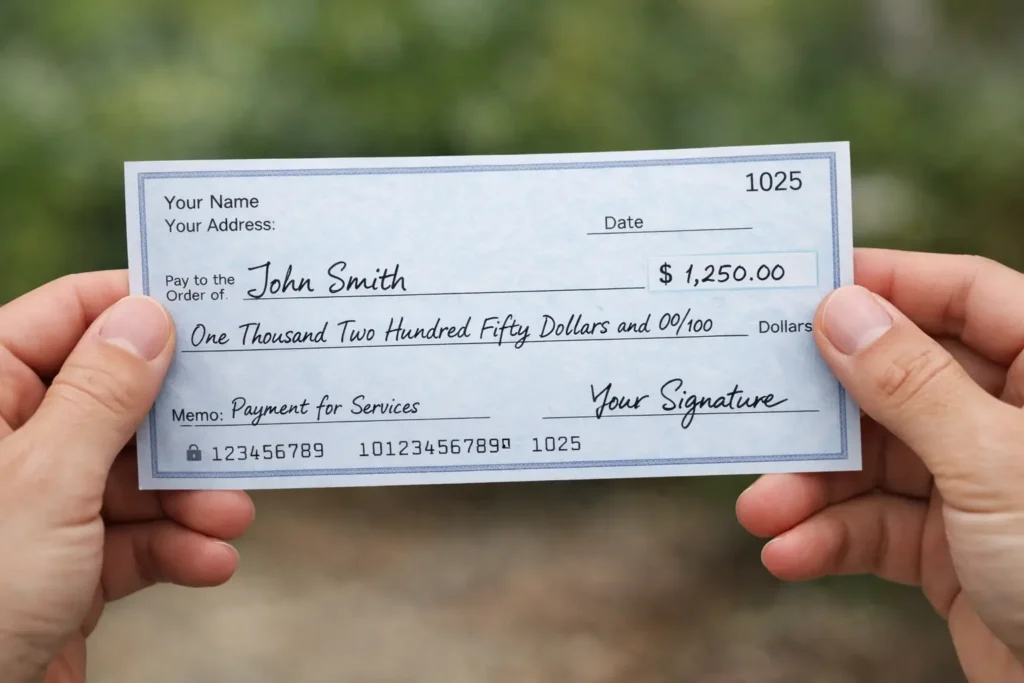
- Paper check mailed to the address on file.
- Prepaid debit card for some recipients in place of a check.
If your banking or address information has changed since your last filing, update the IRS records as soon as possible to avoid delays.
Steps to confirm eligibility and update information
Follow these practical steps to confirm you will receive the 2000 payment and to correct delivery details if needed.
- Use the IRS online portal to check payment eligibility and expected delivery method.
- Verify your most recent tax return and ensure your filing status and dependents are correct.
- Update your address with the USPS and with the IRS if you moved after filing.
- Provide a current bank account for direct deposit if applicable (through secure IRS channels).
Do not share personal information via email or unsolicited calls claiming to be the IRS. The IRS will send official letters if additional information is required.
The IRS often uses the most recently processed tax return to determine eligibility. If you filed late or amended your return, that could affect timing and qualification for the 2000 payment.
What to do if your payment is missing or incorrect
If you expect a payment but it hasn’t arrived, start with these checks. They resolve most issues without a call.
- Check your IRS online account for payment status and scheduled dates.
- Verify bank statements for a deposit and scan mail carefully for a check or card.
- Review any IRS notices for instructions or requested documentation.
If needed, contact the IRS support line provided on its website. Be prepared with recent tax returns and identification when you call.
Common reasons for delays
- Incorrect or outdated bank account information.
- Mailing address changes not reported to the IRS.
- Identity verification holds or irregularities in filing data.
Small real-world example: Case study
Maria, a single filer who used direct deposit on her 2024 return, received her 2000 payment by direct deposit on February 10, 2026. She confirmed the deposit through her bank and saved the IRS notice in her records.
Her neighbor Joe, who moved after filing and did not update his address, received a mailed check that was returned. Joe used the IRS online account to update his address and requested a reissue. He received the second check three weeks later.
These examples show why current IRS records and direct deposit can speed delivery.
Final tips to prepare
Keep tax records accessible and monitor official IRS channels for updates. Use direct deposit when possible to avoid mail delays.
Document any IRS notices and take action promptly if the IRS requests additional information. Staying organized will minimize delays and misdirected payments.
Resources: Visit the official IRS website and use the online account tool for the most accurate, updated information about 2000 payments February 2026.