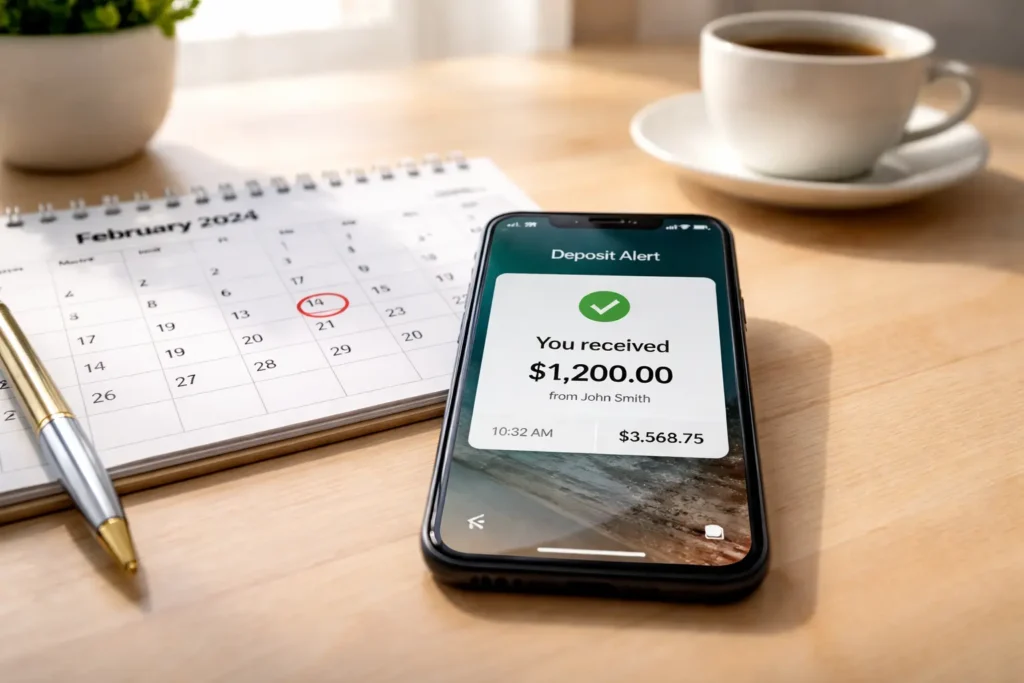
The IRS has announced a $1,390 direct deposit relief payment scheduled for February 2026. This article explains who qualifies, when payments will arrive, how to check status, and steps to take if a payment is missing.
IRS Announces $1390 Direct Deposit Relief Payment For February 2026: Who Qualifies
The IRS is sending one-time relief payments to eligible individuals based on 2024 tax filings and certain benefit records. Eligibility generally follows income limits and dependent rules used in previous relief efforts.
Common eligibility factors include recent adjusted gross income (AGI), filing status, and dependent claims. Non-filers who used the IRS Non-Filer tool in prior rounds may also qualify.
Key qualification points
- Filing status: single, married filing jointly, or head of household as reported on the most recent accepted return.
- Income thresholds: people under certain AGI limits will receive the full payment; phased reductions may apply above those limits.
- Dependents: payments may be higher for households with qualifying dependents, following IRS rules.
When Will the $1390 Direct Deposit Arrive?
The IRS plans direct deposit disbursements throughout February 2026. Exact arrival dates vary by taxpayer and bank processing times.
Direct deposit is the fastest delivery method. Paper checks and prepaid cards, if issued, will arrive later by mail.
Typical timeline
- Early February: initial batches sent to taxpayers with valid bank account information on file.
- Mid-February: larger rollouts based on tax return processing and benefit records.
- Late February: remaining direct deposits and paper payments mailed if needed.
How to Check Your $1390 Direct Deposit Status
Use official IRS tools first. The IRS will update its payment status portal and the Where’s My Refund/Payment page to show whether a payment is scheduled, sent, or processed.
Steps to check status:
- Visit the IRS payment status page and enter your personal details.
- Check your most recent tax return bank account information for accuracy.
- Monitor your bank account for a deposit labeled by the IRS or the Treasury.
What to have ready
- Social Security number or ITIN
- Filing status and exact refund amount from your last return
- Bank account and routing numbers if you recently changed them
The IRS often sends relief payments in batches. Some taxpayers receive their deposits earlier because their bank information and tax records matched the IRS databases without delay.
What If You Don’t Receive the $1390 Payment?
If a payment is missing by early March 2026, take these steps to trace and resolve the issue. Most problems relate to outdated bank information, tax filing errors, or identity verification holds.
Step-by-step actions
- Confirm payment status on the IRS portal before contacting the agency.
- Verify the bank account on your last filed return or update your information if permitted.
- Check mail for IRS letters requesting additional information or verification.
- Contact the IRS only if the portal shows a payment sent but you did not receive it.
The IRS will not call or demand immediate payment to resolve these issues. Beware of scams claiming to help secure your $1,390 for a fee.
Case Study: How Direct Deposit Helped a Family in February 2026
Example: A single parent, Maria, received the $1,390 direct deposit on February 10 after filing her 2024 taxes early and keeping bank details current with the IRS.
She used the money to cover immediate expenses: rent arrears and a school supply purchase for her child. The direct deposit cleared within one business day of the IRS send date.
Why this worked: Maria’s information matched IRS records and her bank processed the deposit quickly. This demonstrates how maintaining updated records speeds delivery.
Practical Tips to Prepare for the Payment
Follow these simple steps to make sure you receive the relief payment smoothly and securely.
- Update bank account details on your latest tax filing to avoid paper checks.
- Keep an eye on official IRS communications by mail and through your online account.
- Record the expected payment amount so you can spot it on your bank statement.
- Report suspected scams to the Treasury Inspector General for Tax Administration (TIGTA) and to the IRS.
What not to do
- Do not pay anyone to claim or speed up your payment.
- Do not share your full bank login, passwords, or Social Security number in response to unsolicited messages.
Final Checklist Before February 2026
Use this checklist in the days leading up to the payment rollout to reduce delays and confusion.
- Confirm your mailing address and bank account on your latest tax return.
- Check the IRS portal for any holds or notices.
- Set up bank alerts so you’ll know when any deposit posts.
- Keep a record of communication and the IRS portal screenshots if needed for follow-up.
Staying organized and using official IRS resources will help you receive the $1,390 direct deposit relief payment quickly and securely. If you have specific questions about your eligibility or status, consult the IRS website or a trusted tax professional.