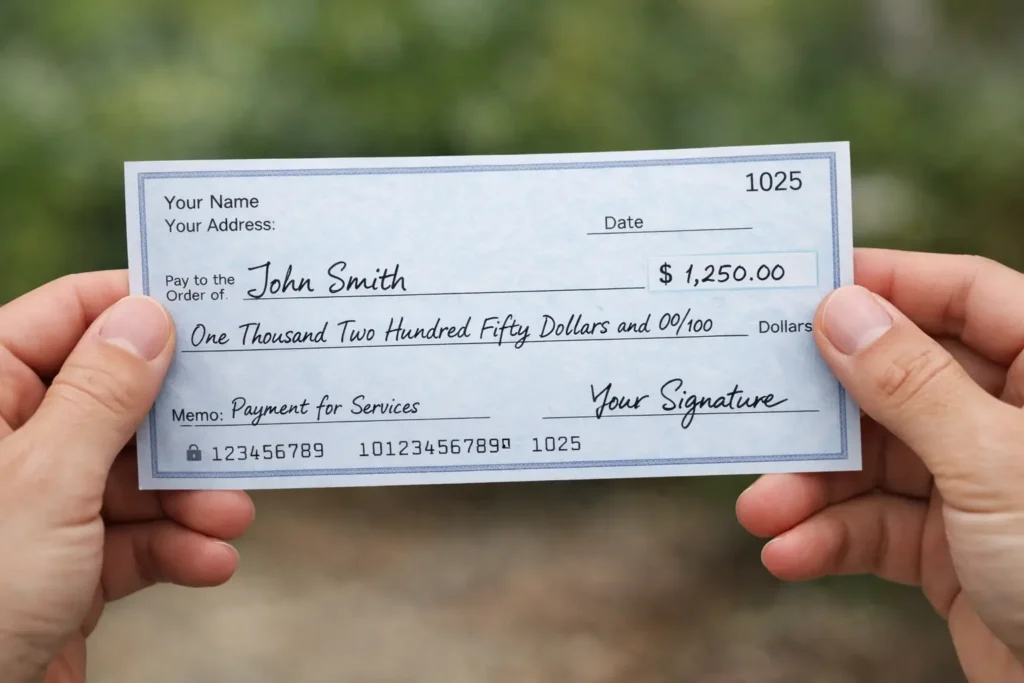
What this $3,000 IRS payment means
The IRS will send a one-time $3,000 payment to qualifying taxpayers in February 2026. This guide explains who qualifies, how direct deposit works, the official payment dates, and the steps you should take to receive the money quickly and safely.
Get $3,000 From IRS in February 2026 — Eligibility
Eligibility is based on income, filing status, and any program rules the IRS has posted for the payment. Typical factors include adjusted gross income (AGI) thresholds, dependent status, and prior year tax or benefit filings. Keep in mind the IRS may apply phaseouts based on income.
Common eligibility criteria
- Filing status: single, married filing jointly, or head of household may determine amount.
- Income limits: AGI thresholds likely apply; lower incomes are prioritized.
- Dependents: Some payments include amounts per dependent or restrictions based on dependent age.
- Benefit recipients: People who receive Social Security, SSI, or other federal benefits may automatically qualify.
Always check the IRS announcement or IRS.gov for exact eligibility rules. The IRS will publish a factsheet and FAQs before the release date.
Direct Deposit: How payments are delivered
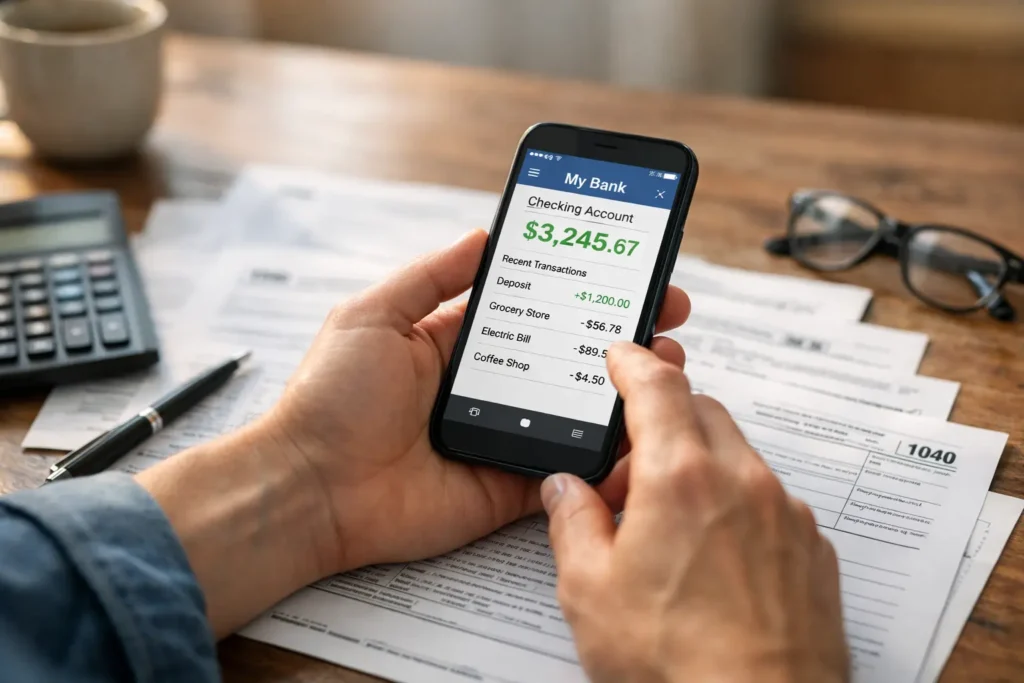
The IRS prefers to use direct deposit because it is fastest and most secure. If the IRS has your current bank account on file, your payment will generally be deposited directly to that account.
How the IRS gets your bank details
- Recent tax returns: Bank account and routing numbers provided on your tax return for refunds may be used.
- IRS online accounts: If you’ve set or updated bank info using your IRS account, the agency can use it.
- Benefit agencies: For Social Security or other federal benefits, agencies may share deposit details for automatic payments.
If you don’t have direct deposit on file, the IRS may send a paper check or a prepaid debit card to your mailing address on file. Expect longer delivery times for mailed payments.
Payment dates and timeline for February 2026
The IRS typically stages large payments over several days or weeks. Official dates depend on IRS processing schedules and whether payments are direct deposit or mailed.
What to expect
- Early February: IRS announces the official payment schedule.
- Mid to late February: Direct deposits typically hit bank accounts in batches.
- Late February to March: Mailed checks or debit cards arrive for those without direct deposit.
Check the IRS “Get My Payment” or your IRS online account for the exact deposit date tied to your record. The tool will show if a payment was scheduled, issued, or mailed.
Steps to receive your $3,000 payment
- Confirm your eligibility. Review IRS guidance and verify your filing status and income limits.
- Check your IRS online account. Sign in to see whether the IRS has a payment scheduled and what delivery method is planned.
- Update bank information if needed. If you want direct deposit and the IRS doesn’t have your bank details, add or update them through the official IRS channels (only where the IRS allows updates).
- Verify your mailing address. Make sure the IRS has your current address to avoid lost checks or cards.
- Monitor your bank account. Watch for deposits in early to late February depending on the IRS schedule.
If you have tax preparer services, a tax professional can confirm whether you qualify and help update information with the IRS.
What to do if you don’t get the payment
If you expect a payment but don’t receive it by the posted dates, take these steps: Use the IRS online tools to check payment status, confirm eligibility, and ensure your contact information was current.
Next actions
- Contact the IRS only through official channels listed on IRS.gov to report missing payments.
- Watch for mailed notices. The IRS sometimes sends letters explaining payment decisions.
- If you were denied and believe you qualify, gather documentation and consult a tax professional or the IRS appeals process.
The IRS often issues advance announcements and an online tool to track one-time payments. Checking your IRS account can reveal whether your payment will be direct deposited or mailed.
Real-world example: How one family received the payment
Maria and her partner filed joint taxes in 2025 and used direct deposit for their refund. When the IRS announced the $3,000 payment, the couple checked their IRS online account and saw a scheduled deposit in mid-February.
The money posted to their checking account two business days after the listed date. Because they had up-to-date bank info, they avoided waiting for a paper check.
This example shows why updating bank and address details early matters. If Maria had not provided direct deposit info, the payment could have taken weeks longer to arrive by mail.
Practical tips and common questions
- Do not call third-party websites that promise to sign you up for quicker payments. Use IRS.gov only.
- If you receive a notice from the IRS, read it carefully; it explains payment amount and method.
- Be cautious about scams. The IRS will not call to demand payment or ask for private banking passwords to deliver a payment.
Following official IRS guidance and confirming your account and contact information early will help ensure you receive the payment on schedule.
If you are unsure about your eligibility or can’t find details online, consider consulting a trusted tax professional who can review your filing history and advise on next steps.