Overview of Federal Government $2,000 Payments Scheduled for February 2026
The federal government has scheduled $2,000 payments for February 2026. These payments are part of a targeted relief program announced by policymakers. This guide explains who may qualify, how the payments will be delivered, and what you should do to prepare.
Who may qualify for the $2,000 payments
Qualification depends on criteria set by the administering agency. Common factors include income limits, filing status, and residency. Some payments may be automatic for previously enrolled recipients, while others require an application.
- Income thresholds based on adjusted gross income (AGI)
- Citizenship or lawful residency
- Filing a recent tax return or registering with the agency
How the Federal Government $2,000 Payments Scheduled for February 2026 will be delivered
Payments are typically sent by direct deposit, paper check, or prepaid debit card. The agency will use banking information from recent tax filings or benefit accounts when available. If no bank data exists, a mailed check or card may be used.
Expected delivery methods:
- Direct deposit to the bank account on file
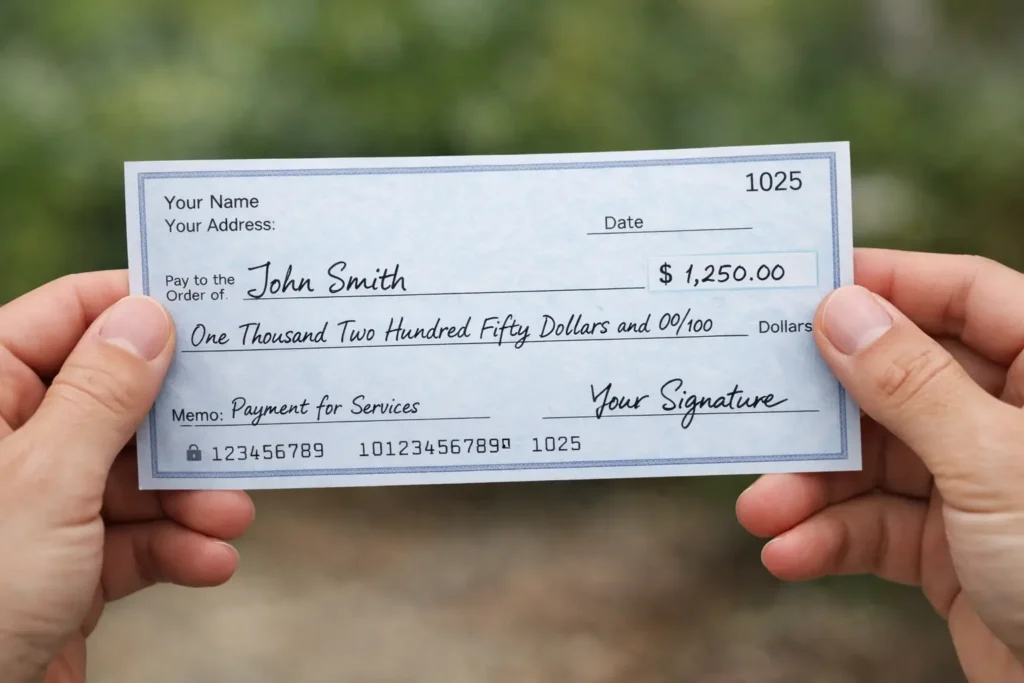
- Paper check mailed to the address on file
- Prepaid debit card in a sealed envelope
How to check your payment status
Checking your payment status early avoids surprises. Use official federal websites or designated phone numbers. Avoid sharing personal information on social media or with unsolicited callers.
Steps to check status
- Visit the official agency website managing the payments. Look for a dedicated status tool.
- Enter required identifiers like Social Security number endings, birth date, or case number.
- Review delivery method and expected date if available.
- Contact the agency helpline only if the online tool shows no record and you meet eligibility rules.
Documents and information to prepare
Gathering documents saves time if you need to register or update information. Keep digital or physical copies in a secure place.
- Most recent tax return (Form 1040)
- Proof of identity (driver license or state ID)
- Proof of address (utility bill or lease)
- Bank routing and account numbers for direct deposit
Update your information early
If any personal or banking details changed since your last official filing, update them immediately with the relevant agency. Delays in updating may push your payment beyond February.
Tax and reporting considerations for the $2,000 payments
Most federal relief payments may be non-taxable, but rules vary by program. Keep records of the payment and consult official guidance when filing taxes.
- Save confirmation notices and bank statements showing the deposit
- Check IRS or agency FAQs for whether the payment is taxable
- Retain documentation in case of future verification requests
What to watch for: scams and common delays
Scammers often target people during large payment cycles. The government will not call and ask for full bank passwords or demand payment to release funds.
- Do not click links in unsolicited emails or texts claiming to speed up your payment
- Verify any phone number by looking up the agency’s official website first
- Be cautious of social media messages offering help for a fee
Some past federal relief programs automatically used the bank account information from recent tax returns to issue direct deposits, reducing delivery time for eligible recipients.
Practical steps to prepare before February 2026
Take proactive steps now to reduce delays. Prioritize secure updates and organized records.
- Confirm your mailing address and phone number with the agency
- Upload or mail any required forms before the agency deadlines
- Check eligibility rules and keep documentation ready
- Set up account alerts with your bank to notice incoming deposits
Example timeline
Assume the program posts eligibility lists in mid-January. You should verify your status, update information, and confirm delivery methods by late January to expect a February payment.
Real-world example: single parent case study
Case study: Maria, a single parent in Ohio, learned about the payment from a local benefits office. She had filed taxes for 2024 and had direct deposit on file with the agency.
Steps Maria took:
- Checked the official payment status tool and confirmed her eligibility
- Verified her bank account details and updated a recently changed address
- Set up a bank alert to notify her when the deposit arrived in February
Result: Maria received the $2,000 by direct deposit in the first week of February and used it for rent and utilities, avoiding late fees.
What to do if your payment is late or missing
If your payment does not arrive in February, follow a clear process. Start with the online status tool, then contact the agency if the record shows no payment.
- Gather supporting documents showing eligibility
- Use the agency’s official contact channels—phone numbers or secure web forms
- Ask for a case or reference number for future follow-up
When to seek additional help
If you suspect identity theft, fraudulent activity, or repeated agency errors, consider contacting a consumer protection organization or a local elected official’s constituent services office for help with resolution.
Following these practical steps will help you understand eligibility, confirm delivery, and reduce the chance of delays. Keep records, use official channels, and guard personal information to make the most of the Federal Government $2,000 payments scheduled for February 2026.