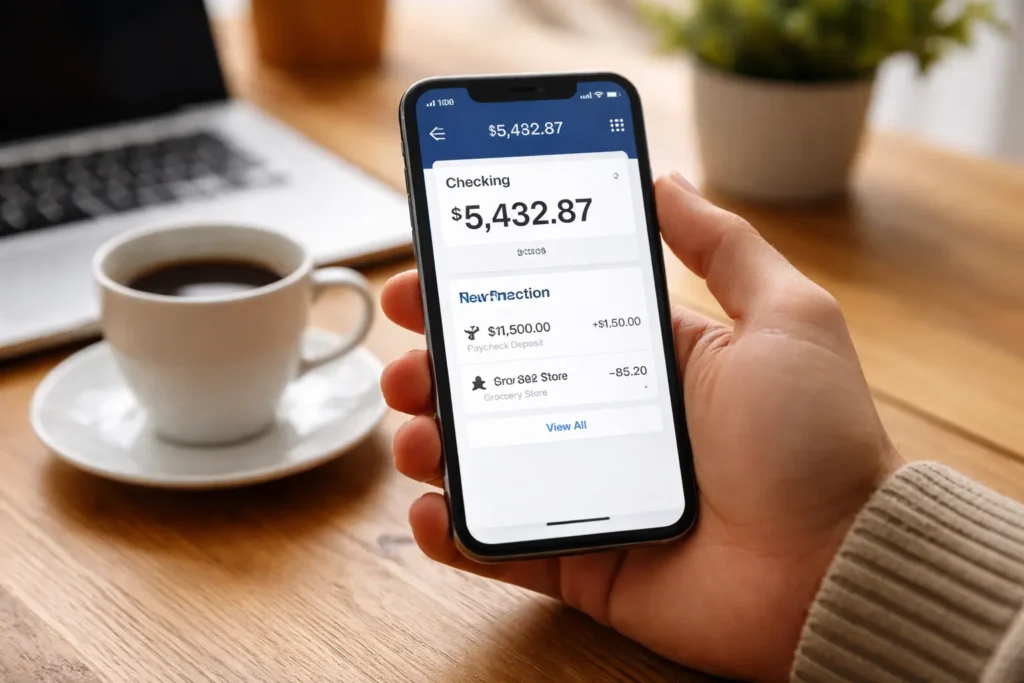
The IRS has announced a series of direct payments scheduled for February 2026. This guide explains who can receive the $2,000 deposit, the payout timeline, and the rules that determine eligibility. Read on for practical steps to check your status and prepare.
IRS $2,000 Direct Deposits Arriving February 2026 — Overview
The IRS will deliver one-time direct deposits of $2,000 to qualifying individuals and families as part of a federal relief or tax credit program. Payments will be made electronically or by mailed check when direct deposit information is not available.
Understanding eligibility and timing helps you know when to expect funds and what documentation to have ready if questions arise.
Who announced the payment and why it matters
The Treasury and IRS implement these payments based on legislation or executive direction. The payments aim to deliver quick financial support to eligible taxpayers, reduce administrative friction, and rely on tax records for eligibility verification.
Eligibility for IRS $2,000 Direct Deposits
Eligibility depends on income, filing status, and recent tax information. The IRS uses the most recent tax return or information submitted through an authorized benefit program to determine qualification.
Common eligibility rules include residency, adjusted gross income (AGI) limits, and filing status. Nonresident aliens and certain dependents are typically excluded.
Basic eligibility rules
- Must be a U.S. citizen or resident alien with a valid Social Security number.
- AGI must fall at or below the thresholds set by the program (see IRS notices for exact amounts).
- Cannot be claimed as a dependent on someone else’s tax return.
- Filing a 2024 or 2025 tax return may be required for automatic qualification.
Exceptions and special cases
Some groups may qualify through alternate records: veterans, Social Security recipients, and certain low-income households who did not file taxes but registered via an IRS portal. Similarly, mixed-status households may see different treatment for eligible members.
Dates & Rules for IRS $2,000 Direct Deposits
Direct deposits are slated to begin in February 2026. The IRS usually rolls out payments in waves to manage system load and issue corrections where necessary.
If you’re getting a direct deposit, you should see the payment in your account on the announced deposit date or within a few days depending on your bank’s processing.
Key dates to watch
- Mid-February 2026: Initial deposit wave for taxpayers with up-to-date direct deposit information.
- Late February 2026: Additional waves include taxpayers who filed later or required extra verification.
- March–April 2026: Notice letters mailed to recipients and non-recipients explaining payment status or denial reasons.
How deposits are sent
The IRS prefers direct deposit to the bank account shown on your most recent return. If direct deposit data are not available, the IRS will mail a paper check or, in some cases, a prepaid debit card.
Direct deposit speeds delivery and reduces the chance of lost mail, so confirm your bank details on your latest tax filing or update them through IRS-authorized channels.
How to check your status and what to do
Use the IRS Get My Payment tool or IRS online account to check payment status. These tools show deposit dates, payment method, and whether additional action is required.
If you do not see a payment and believe you are eligible, follow the IRS instructions to file a claim or correct your tax records.
Steps to follow
- Confirm your latest tax return includes correct bank details if you prefer direct deposit.
- Visit the IRS payment status tool and enter required information exactly as on your return.
- If instructed, file an amended return or contact the IRS Identity Protection Specialized Unit to resolve identity issues.
People who receive Social Security retirement or disability benefits and do not normally file tax returns may still qualify. The IRS uses benefit records to determine eligibility and will issue payments automatically when possible.
Real-world example: A small household case study
Maria, a single parent, filed her 2024 tax return electronically and listed a direct deposit account. Her AGI fell below the program limit. In mid-February 2026 she saw a $2,000 deposit from the IRS and received a mailed notice explaining the payment.
Maria used the funds to cover rent and a utility bill, then kept the IRS notice for her records. Her experience shows the value of filing returns on time and keeping direct deposit details current.
Common questions and quick answers
- When will I get the payment? Expect the first wave in mid-February 2026; later waves follow through March.
- What if my deposit is missing? Check the IRS Get My Payment tool, then follow instructions to file a claim if eligible.
- Will the payment be taxed? One-time relief payments are typically non-taxable, but confirm details with the IRS notice or your tax advisor.
- Can I update my bank info now? Update through your next tax return or IRS-authorized portals; immediate changes may not affect already scheduled waves.
Follow these instructions and check official IRS channels for any updates. If you are unsure about your eligibility or how to check payment status, consider contacting a qualified tax professional or using IRS online tools for guidance.