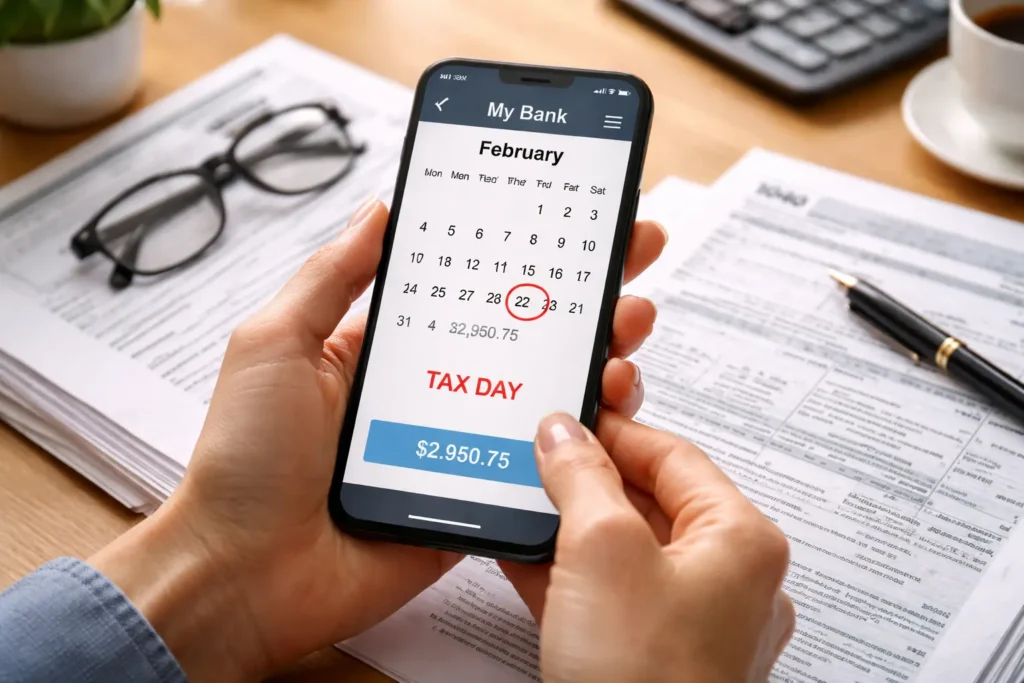
2,000 IRS Direct Deposit Update: Payments Begin February 2026
The IRS announced a direct deposit program that will begin sending $2,000 payments in February 2026. This guide explains who qualifies, the rules, the timeline, and immediate steps you should take to receive the payment.
Who is eligible for the 2,000 IRS direct deposit update
Eligibility depends on criteria set by the IRS and recent legislation. Generally, eligible recipients include certain taxpayers who meet income and filing requirements specified by the IRS.
Key points to check:
- Filing status and adjusted gross income limits.
- Recent tax filings or registered accounts with the IRS.
- Any special eligibility for seniors, veterans, or households with dependents as specified by rules.
Verify your filing status and income
Confirm your most recent tax return is processed and shows the correct filing status. The IRS typically uses your latest tax year data to verify eligibility.
If you have not filed recent returns, you may need to file or use the IRS portal to register for the payment.
Important rules for the February 2026 payments
The IRS will follow specific rules when issuing these $2,000 direct deposits. Read these carefully so you understand what to expect and avoid common issues.
- Payments will be sent to the bank account the IRS has on file for direct deposit.
- If you do not have direct deposit on file, the IRS may mail a check, which can delay delivery.
- Payments are not taxable income, unless otherwise stated by future IRS guidance.
Timing and schedule
Payments are scheduled to begin in February 2026, with distributions happening in waves. The IRS will prioritize accounts that are verified and have completed any required registrations.
Expect official notices sent by mail or through the IRS online account when your payment is scheduled or issued.
Immediate steps to take now
Take these practical steps immediately to help ensure you get the $2,000 payment without delay. Acting now reduces the chance of missing the deposit window.
- Check your IRS online account for payment status and messages.
- Verify and update your direct deposit bank account information in the IRS portal.
- File any missing tax returns for recent years that might affect eligibility.
- Watch for IRS letters and keep documentation (IDs, Social Security numbers) ready.
How to update direct deposit information
Log in to the official IRS online portal and navigate to your account settings. Use the secure forms to add or change bank routing and account numbers.
Do not share bank details via email or social media. Only use the IRS website or phone numbers listed on IRS.gov.
The IRS often sends an official notice before issuing mass payments. That notice will never ask for payment of fees or sensitive account passwords. Scammers may mimic IRS messages, so always confirm via IRS.gov.
What to expect when your $2,000 direct deposit arrives
Once the IRS issues a direct deposit, it typically posts to your account within 1–3 business days. The timing can vary based on your bank’s processing window.
If you receive a notice but no deposit appears, compare the expected deposit date and contact your bank. Keep any IRS notices as proof when contacting support.
Common problems and fixes
- Wrong bank account on file — update the IRS portal and request an investigation.
- Missing tax return — file or amend returns promptly to restore eligibility.
- Identity mismatch — verify your identity through IRS verification steps online or by phone.
Case study: Real-world example
Maria, a 58-year-old retiree, saw an IRS notification in January 2026 stating she might qualify for a $2,000 deposit. Her last tax return was accepted but her bank account had changed in 2024.
She followed three steps: logged into her IRS account, updated direct deposit information, and confirmed her mailing address. Because her account update completed in early February, she received the deposit five days after the IRS released payments for her group.
This example shows practical steps that speed up receipt of the payment: verify identity, update bank details early, and keep records of IRS messages.
Fraud warnings and how to protect yourself
The announcement has increased phishing attempts and scam calls. Remember the IRS will not call demanding payment or ask for private passwords.
- Only follow links from IRS.gov or log in directly to IRS.gov.
- Ignore unsolicited calls or emails claiming to be from the IRS that ask for bank account details.
- Forward suspicious emails to the IRS phishing report address or report scams via the official site.
Next steps checklist
Use this quick checklist to prepare for the February 2026 payments and reduce delays.
- Confirm eligibility using the IRS guidance and your most recent tax filing.
- Update direct deposit information in the IRS online account if needed.
- File any missing returns immediately.
- Save IRS notices and confirm deposit dates.
- Report suspicious contact to the IRS and your bank.
Following the steps above will help you receive the $2,000 IRS direct deposit as soon as the IRS issues payments in February 2026. Keep checking the official IRS site for the latest guidance and exact eligibility details.