What this $2,000 federal direct deposit means
A one-time federal direct deposit of $2,000 has been approved for distribution. This article explains who is eligible, how payments are scheduled, and the steps to check or update your direct deposit so you can receive funds quickly.
Who is eligible for the 2,000 Federal Direct Deposit?
Eligibility depends on several straightforward rules set by the administering agency. Most adults who meet basic residency and tax or benefit records are included.
- Residents: U.S. citizens and qualifying lawful permanent residents with a valid Social Security number.
- Records: Individuals with recent tax filings or active benefit records (for example, Social Security or veteran benefits).
- Banking: Having a valid bank account on file speeds delivery via direct deposit, but a mailed check option is usually available.
- Restrictions: Some incarcerated individuals and nonresident aliens may be excluded based on program rules.
Documents or records typically used to confirm eligibility
Agencies usually verify identity and eligibility with existing records. You may need:
- Social Security number
- Recent tax return or benefit statements
- Valid bank routing and account numbers for direct deposit
How the 2,000 Federal Direct Deposit payment schedule works
Payments will be issued in waves to manage processing and reduce errors. Exact dates depend on the agency’s release calendar and your enrollment method.
Typical payment phases
- Phase 1: Automatic deposits to accounts already on file. These are prioritized and sent first.
- Phase 2: Deposits to newly registered bank accounts or corrected accounts submitted after the announcement.
- Phase 3: Paper checks mailed to addresses on file for people without direct deposit information.
Expect the full distribution period to last several weeks to a few months. Monitor official agency updates for precise dates tied to each phase.
How to check and update your direct deposit information
Updating banking details before the payment is processed is essential if you want the funds faster. Use only official agency websites or their verified phone lines.
- Log in to the federal agency portal where you receive benefits or tax information.
- Locate the payment or direct deposit section and verify your routing and account numbers.
- If you do not have an account on file, add valid bank information before the agency’s stated cutoff date.
Common pitfalls and how to avoid them
- Wrong routing or account numbers delay or return funds. Double-check numbers before submitting.
- Using temporary or closed accounts can prevent deposit. Use an active account in your name where possible.
- Scams: Agencies will not ask for bank account access via unsolicited calls or texts. Always use official portals.
Many payments that arrive as direct deposit use existing tax or benefit records. If you filed a tax return or receive federal benefits in the last two years, you are likely already in the system for automatic distribution.
Steps to receive the 2,000 Federal Direct Deposit
- Confirm your eligibility using your account with the administering federal agency.
- Verify or add direct deposit information in the official portal before the posted cutoff date.
- Monitor bank accounts and agency notices for confirmation of deposit or further instructions.
If you do not get a deposit
If you expect a deposit and it does not arrive, check these items:
- Review the agency status page for announcements about distribution waves and delays.
- Confirm your bank account and routing numbers are correct in the agency portal.
- Contact the agency’s verified support line for next steps if records show you were eligible.
Small case study: How one household received the payment
Maria is a retired schoolteacher who receives Social Security. Her account information was already on file, so she got the $2,000 direct deposit in the first distribution wave.
Timeline:
- Week 1: Federal agency announced payment and released the first wave.
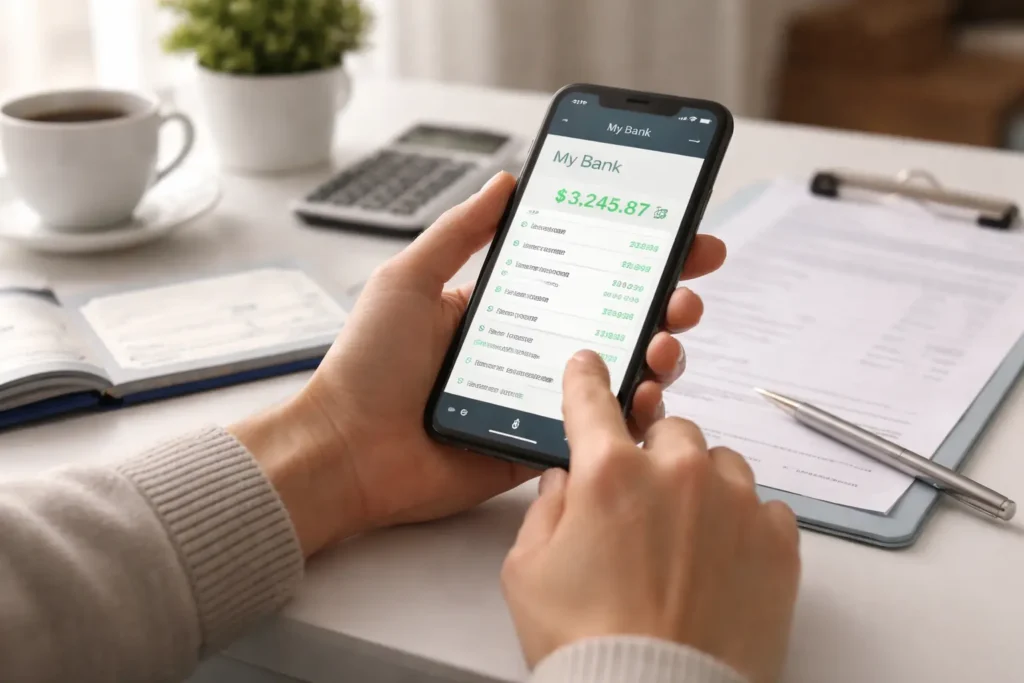
- Week 2: Maria’s bank showed a pending credit, then a posted deposit the following day.
- Week 3: Maria used the funds to pay a medical bill and set aside an emergency balance.
This case shows how having up-to-date direct deposit info can speed access to funds and reduce the risk of mailing delays.
Examples and frequently asked questions
Example 1: You filed taxes last year but did not add a bank account to your profile. You may receive a mailed check if you miss the direct deposit cutoff.
Example 2: You updated your bank info after the first wave. Your payment will likely be in a later wave once the agency validates the new account.
Quick FAQ
- Q: How long until I see the money? A: If on file, deposits appear within the first wave; otherwise timing depends on your update date and agency validation.
- Q: Can someone else receive my payment? A: No, payments are tied to your social security or tax records and deposit accounts registered under your name.
- Q: Who to contact for problems? A: Use the administering agency’s official contact page; do not share account details with unverified callers.
Final checklist before the payment window
- Verify your identity and account details in the official agency portal.
- Update banking information if needed before the cutoff.
- Watch agency announcements for exact deposit dates and direct deposit waves.
If you follow these steps, you should receive the $2,000 federal direct deposit with minimal delay. Always rely on official agency communications for the most accurate schedule and instructions.