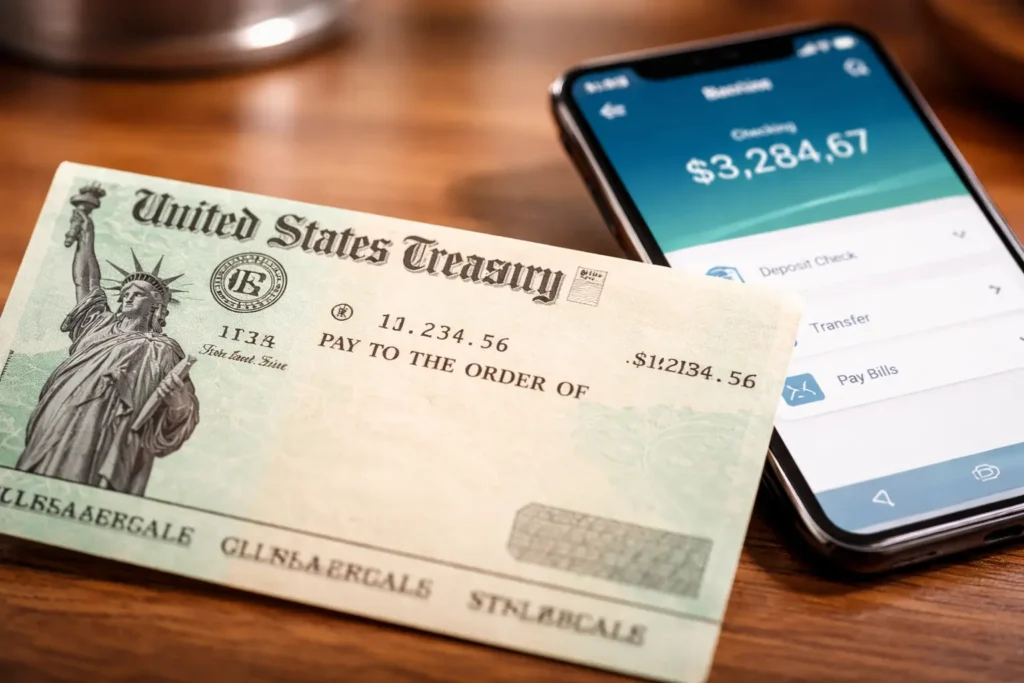
This article explains the 2000 direct deposit IRS alert that has triggered paper checks and bank deposits in February 2026. Read practical steps to verify payments, expected dates, eligibility rules, and how to respond if you do not receive money.
What the 2000 Direct Deposit IRS Alert Sparks Checks Means
The IRS alert refers to a payment or credit of 2000 being posted for eligible taxpayers. Some people see the amount as a direct deposit, while others receive a mailed check. The notification often arrives through bank notices, IRS letters, or headlines about distributed funds.
This alert can mean a few things: a new advance payment, a one-time tax-related credit, or a reconciliation of prior year benefits. Knowing which applies depends on official IRS guidance and individual tax records.
February 2026 Rules for the 2000 Direct Deposit IRS Alert
In February 2026, the IRS set specific rules that affect who gets the 2000 payment and how it will be delivered. The rules determine eligibility, documentation needed, and the delivery method.
Eligibility and who qualifies
- Tax filing status and adjusted gross income criteria determine eligibility.
- Dependents and family size can change the amount or eligibility for the payment.
- Nonfilers who registered or used the IRS non-filer tools may also be included.
Delivery rules
- Direct deposit goes to the account on file from recent tax returns or IRS records.
- If direct deposit details are missing or invalid, the IRS may mail a paper check instead.
- Timing varies by processing batch, bank clearing times, and postal service delivery.
Payment Dates and How Payments Arrive
Payment dates depend on the IRS schedule and individual processing streams. The IRS typically issues payments in waves over several weeks in February.
Common timing scenarios include immediate direct deposit posting, a bank holding period of 1 to 3 business days, or mailed checks arriving in 7 to 21 days. Banks can also place temporary holds to verify deposits.
How to identify a legitimate direct deposit or check
- Direct deposit entries usually show as a US Treasury or IRS payment on bank statements.
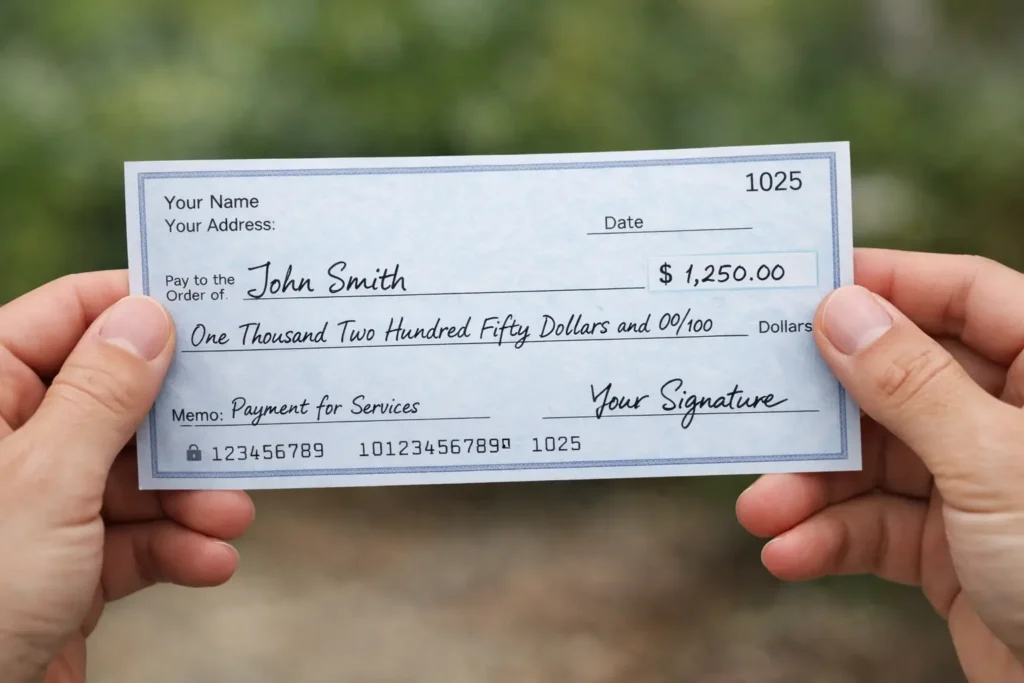
- Mailed checks come on US Treasury or Treasury check stock with IRS remittance advice.
- Always compare the amount and payee name to IRS communications to confirm authenticity.
How to Check Payment Status
Use official IRS tools first. The IRS ‘Get My Payment’ or equivalent portal will show scheduled dates, payment method, and status. You will need your Social Security number, date of birth, and address to verify identity.
Also check recent tax returns for bank routing and account numbers on file. Contact your bank to see if a deposit is pending or was returned to sender.
Steps to verify
- Visit the IRS payment status web portal and follow prompts.
- Check your bank account online and review recent transactions.
- Look for any mailed IRS letters explaining payment decisions.
The IRS sometimes reissues payments as checks when direct deposit information is missing or when an electronic deposit is reversed by the bank. This can extend delivery by several weeks.
What to Do If You Don’t Receive a Payment
If the IRS shows a payment was issued but you did not receive it, act quickly. Start by contacting your bank and checking mail carefully for a Treasury check.
If a payment was returned to the IRS or never issued, you may need to file a claim or update your account information. Keep records of any notices and dates of attempted deposits.
Action checklist
- Confirm identity and payment status on IRS tools.
- Contact your bank to verify deposit or return details.
- If necessary, submit IRS forms or follow instructions in IRS letters to request replacement payments.
Tax and Scam Considerations
IRS payments are not taxable when they are designated as credits unless otherwise stated. Keep documentation showing how the payment was calculated for your records.
Be cautious of scams. The IRS will not call demanding personal information to release a payment. Do not provide bank details in response to unsolicited calls, texts, or emails claiming to speed up delivery.
How to spot scams
- Unexpected messages asking for account numbers or payments are red flags.
- Check sender addresses and never click links in suspicious emails about IRS payments.
- Verify any claim by logging into the IRS portal directly, not through links.
Real-World Example
Maria, a single parent, saw a notification in early February that a 2000 payment was scheduled as a direct deposit. Her bank showed a pending deposit that cleared two business days later. Another neighbor, James, had no direct deposit on file and received a mailed check three weeks after the IRS notice.
Both followed the steps above: they checked the IRS portal, confirmed bank activity, and kept the IRS letter for records. When a cousin reported no payment and no notice, the cousin used the IRS portal to request a status update and discovered an incorrect mailing address in IRS records, which explained the delay.
Final Tips
- Check the IRS payment portal first for reliable status updates.
- Keep bank account and mailing address information current on tax records.
- Watch for IRS letters and follow instructions exactly to request replacements.
- Report suspected scams to the IRS and local authorities immediately.
Following these steps will help you understand the 2000 direct deposit IRS alert, confirm whether you should expect a direct deposit or mailed check, and take action if a payment is missing. Always rely on official IRS sources and your bank for verification.